
Domicile Consulting Blog | Latest about Home Inspection News

Stack Effect
As we rapidly approach winter, homeowners and renters may start to feel colder in various areas of their residences. There are typically multiple causal factors for homes to become colder and less energy efficient, but there is a base cause that drives the rest of the sources – stack effect. Stack effect is a result…
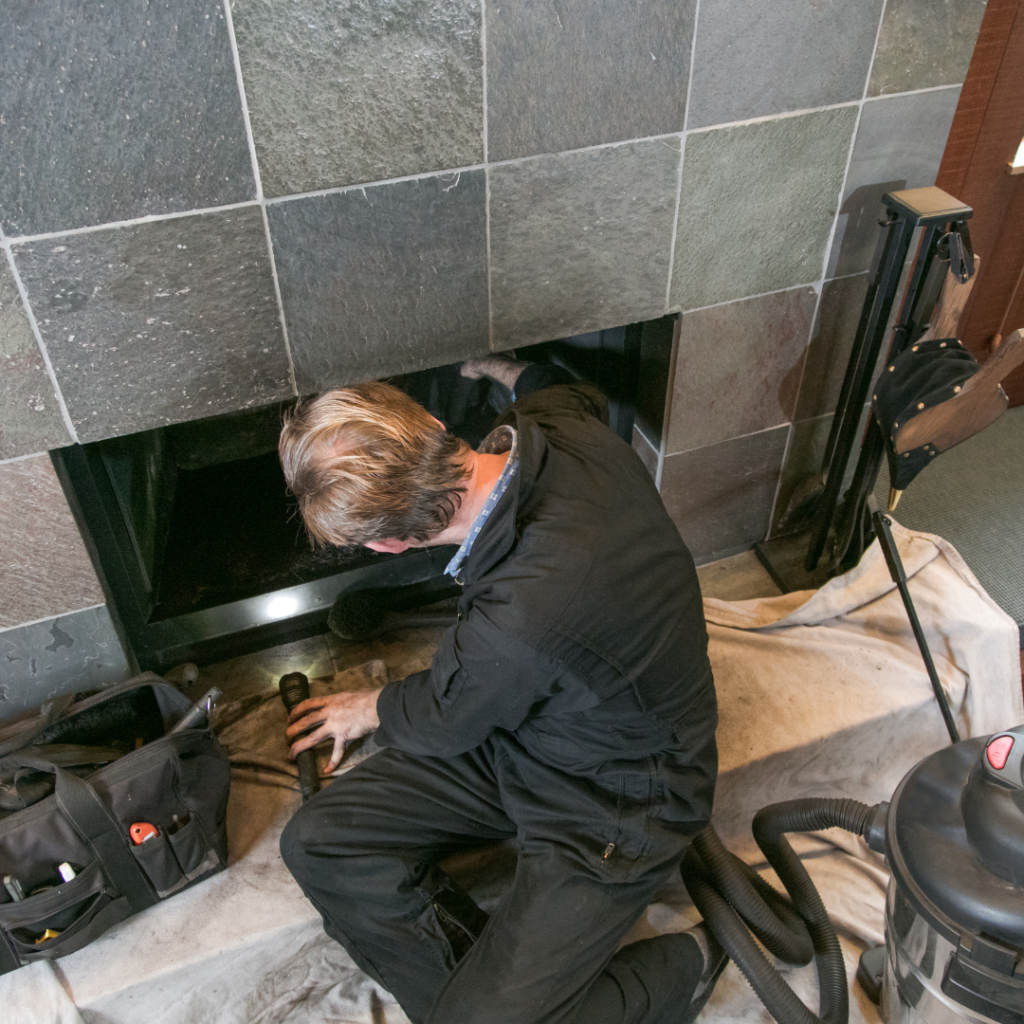
Fireplace Safety
As fall begins, people start to think about things associated with this time of year and if you have a fireplace in your home, you may be thinking about having a fire in the fireplace. While the warmth of a fire can be comforting, a fire outside of the fireplace would be a disaster. In…
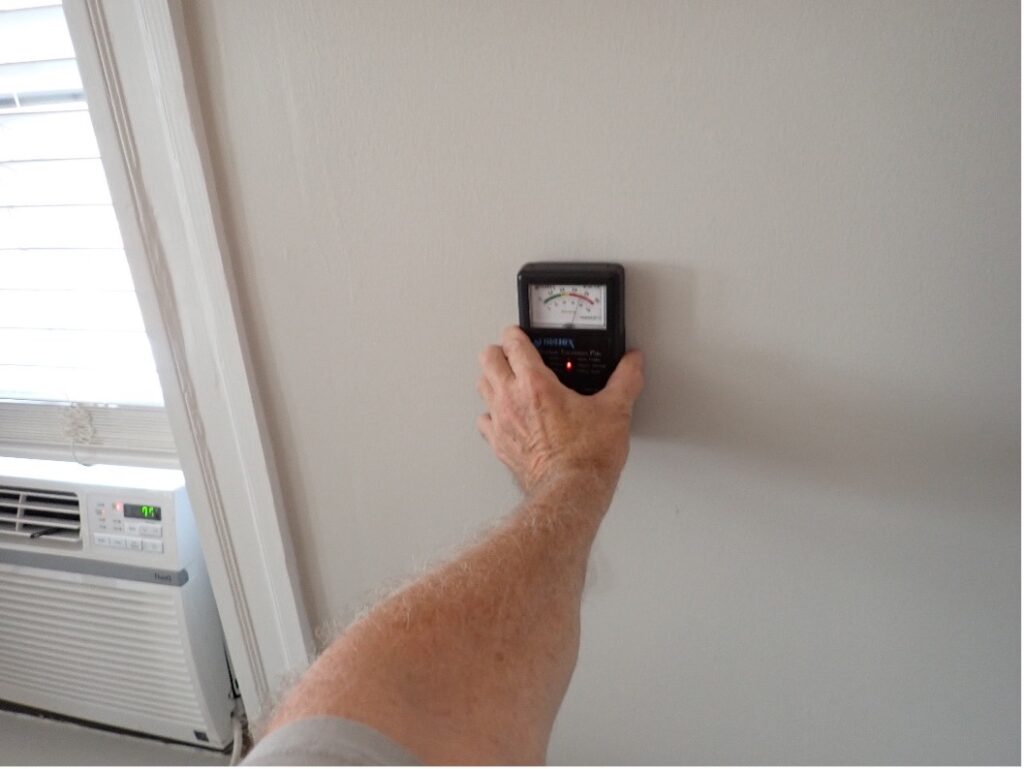
Condensation In Warm Areas
As we are experiencing the final warm days of summer, I was reminded of moisture problems that can occur even during warm dry conditions.
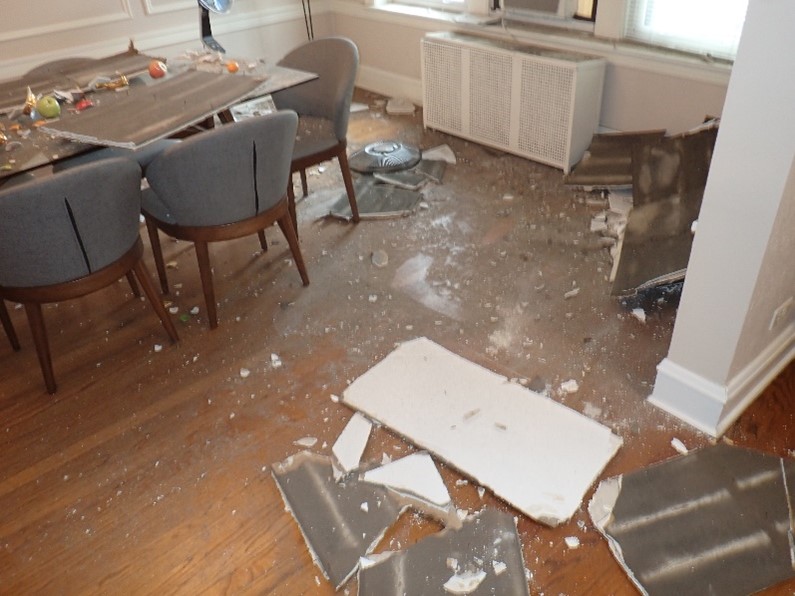
Plaster Ceiling Failure
Imagine coming home one day and discovering your ceiling is on the floor. This happened recently to one of my clients and I was contacted to find out why this occurred. Apparently there had been cracking on the ceiling that preceded the collapse and similar cracking was found in the bedroom. Ceiling failures like this…

The Domicile Difference vs. Some of the Others
Unfortunately, it is not unusual to run across inspectors and builders who refuse to go any further than what is legally required of them. While they may perform inspections which conform to the minimum legal requirements and meet basic Standard Operating Procedures (SOPs), they are too often content to stop there. Instead of seeing the…

Radon is Real
In 2018, an estimated 154,050 Americans will die from lung cancer [1]. While many of them are current or former tobacco users, approximately 30,000 individuals will have never smoked or used any form of tobacco [2]. So, how did these people, who had taken a significant precaution, develop lung cancer? According to the US Environmental…

Domicile Consulting Earns 2018 Angie’s List Super Service Award
Press Release Domicile Consulting Earns 2018 Angie’s List Super Service Award Award reflects company’s consistently high level of customer service

Does Your Real Estate Agent Have Your Best Interest in Mind?
Whether you are buying or selling a home, it’s easy to assume your real estate agent is on your side. In all actuality, they may not be. SummaryArticle NameDoes Your Real Estate Agent Have Your Best Interest in Mind?DescriptionMany people hope and think that their real estate agent must be on their side but this…

How to Get Your Home Ready For Winter from Dan Cullen
Experts say there are some simple but important things homeowners should do before it gets too cold. Is your home ready? NBC 5's Ash-har Quraishi reports.

Moving? Check Out These Tips Before Selling
If you’ve decided to upgrade your current home or downsize to something a bit cozier, you’ll have to sell your current home before you can move. So, what can you do to attract potential buyers and sell your house faster? From having a pre-inspection completed to getting rid of clutter, here are some of the…

5 High-Tech Devices You’ll Want in Your Home
It’s impossible to deny that technology is amazing. It seems like every day we are being introduced to new high-tech devices that are designed to make our lives easier. As a homeowner how can you decide which gadgets are beneficial and which are just fancy toys? The huge array of options can be overwhelming. To…

What are the Symptoms of Mold Exposure?
Mold can grow any place there is moisture, meaning the likelihood that you and your family have been exposed to mold is higher than you might think [1]. Unfortunately, mold exposure can lead to a variety of health problems, ranging from just irritating, such as sniffling and sneezing, to severe chronic lung illnesses. Even more…

Do you think your home is affecting your health?
Do you think your home is affecting your health? Hayward Score will help you find out. Your answers to the survey will help us understand the important characteristics of your home and how you live in your home. From there we will generate a detailed report that will help you understand your indoor air quality…

4 Crucial Reasons to Get a Home Inspection
Home inspections are a common part of buying a new home. However, a lot of buyers find themselves tempted to overlook this process, because they either want to speed up the process of getting into their new property, or they simply want to cut costs. While home inspections might not seem like much of a…

Signs that Termites are Invading Your Home
Often referred to as “silent destroyers,” termites cause more than $5 billion in property damage every year [1]. Unfortunately, most standard homeowners’ insurance policies do not cover these costs, because the damages could have been prevented with regular home maintenance. This leads to a huge question. If termites are able to do so much damage…

A Warning Checklist for Buying a Home
A Warning Checklist for Buying a Home Buying a home is always exciting. This is true whether you are a first-time homebuyer or you have bought and sold multiple properties in the past. Of course, this will almost certainly be the most expensive purchase you’ll ever make. Thus, there are numerous things you must do…

War on Radon and What You Need to Know
War on Radon and What You Need to Know By Carolyn Koke, Spruce Environmental Technologies, Inc. | WorkingRe.com Lung cancer is the leading cancer killer in both men and women. According to American Lung Association, American Cancer Society, and Centers for Disease Control and Prevention, an estimated 158,040 American citizens will die from lung cancer…

Real Estate Deal Killers and How to Avoid Them | Zillow.com
Your buyers found the home of their dreams. They’ve started packing. Then, something pops up that could stall the sale. In today’s market, finding a home is only the beginning. There are often stumbling blocks along the way. Here’s how to keep common real estate mistakes from killing the deal.

Why Indoor Air Quality is So Important
Why Indoor Air Quality is So Important Indoor air quality has recently become more significant to building occupants and homeowners. Increased data and research have been made available concerning the negative effects of indoor air quality. It is therefore imperative that builders, landlords, and occupants know how to properly address any indoor air quality issues.…

10 Tips for Saving Energy During Cold Temperatures
If your energy bill seems to skyrocket during the cold winter months, you are not alone. Thanks to higher fuel costs and temperatures that have reached record lows, this is a common problem that many people are dealing with. Unfortunately, Punxsutawney Phil seems to believe that winter is far from over, meaning that your energy…
Residential Forced-Air Ducted Heating and Cooling
I’ve been doing a lot of studying about Indoor Environment Comfort (IEC) and HVAC systems. For those that don’t know, the acronym stands for Heating, Ventilation, Air-Conditioning. I’m hoping my learning experience will help others. Bare with me as this will be a multi-part blog. There is so much information, and history, a single blog…

LED Light and Potential Impact on Energy Savings
LED Light and Potential Impact on Energy Savings Most of us take for granted the ability to flip a switch and illuminate a room. What you may not realize is that electricity is a secondary form of energy. It’s produced in large part (67%) by steam turbines, driven by steam-producing boilers burning fossil fuels. Fossil…

The Underlying Dynamic of the Home Inspection: Liability Hand-off from Client to Inspector and Back Again.
Many buyers and even some realtors don’t understand the true nature of a properly performed home inspection. When a home buyer has an offer accepted on a property and engages the services of a home inspector (hopefully after doing extensive research and comparing inspector backgrounds, inspection reports, online reviews, etc.) they are placing a significant…

Zen and the Art of Home Inspecting: Pursuing Non-Attachment
Now, I’m not a card-carrying Buddhist but I’ve read a bit about that wisdom tradition and I admire its practitioners. I am though a card-carrying home inspector and have been one for about 20 years. Over those two decades, I’ve noticed that some of the principles of the Dharma (Buddha’s teachings) can be applied to…

Inspecting Roofs with our Brand New Drone
Domicile Consulting’s New Toy, the Yuneec Q500+ Our company recently purchased a quadcopter UAV (unmanned aerial vehicle), a really cool drone with a killer, gimbal mounted, high-res multifunction camera.
Risk Reversal in Real Estate Inspections: Putting the Responsibility Back on the Seller
So you found the perfect home and your offer has been accepted. Congratulations…..now it’s crunch time. In the typical Chicago real estate transaction you, as the buyer, have 5 days during which your attorney will review your contract and your inspector will evaluate the condition of the property. In a competitive and active market, you…

Introducing Our “Kick-the-tires” Home Inspection
Saving Home-buyers Time and Money Have you been searching for a house inspectors near me? Here is some information that might help you to save you time and money. Business and marketing experts tell us to find the “pain points” in our client’s experiences and to find ways of solving those problems. One such issue…

What “Professionalism” Sometimes Means in the Real Estate Game
To My Realtor Friends Who May Read This, Please accept my preemptive apologies for some off the cuff, unvarnished notes rants from the field. I know quite a few agents who bring tremendous value to their clients and who have the best interests of those clients in the forefront. We love working with those kind of…
A Chicago Alley Tale
If you live in or around Chicago then you know that a huge ‘buzz’ in the real estate industry lately is the new ‘606 Trail’ aka ‘Bloomingdale Trail’. It’s a section of an abandoned railroad line that has been converted to a very pleasant hiking/biking trail. If you live in or around Chicago you also…
The Time is Right for LED Bulbs
For reducing energy costs and reducing environmental impact from energy usage, there’s no easier way than replacing standard energy-wasting light bulbs with more energy-efficient products. After seeing a display at a home improvement store, I decided to do a side-by-side comparison, and believe LED (light-emitting diode) bulbs are the way to go.
Flatlining…Chicago style
“….Life in the Flat lane, surely you can lose your mind…” Sounds familiar, right? Well, that’s our little lyrical spin on the well known Eagles tune as it pertains to flat roof ventilation. It a challenging topic and one we are seeing more and more roofers and builders getting wrong. So what can we…
Green Ideas: Sources for Historic Restoration and Re-Purposing in Chicago
Whether you are restoring a period home, have an affinity for the aesthetics of a certain decade, or are looking for unique materials to bring character to your living space, Chicago has some great options for finding vintage fixtures and materials. And re-using salvaged items is environmentally friendly to boot. While eBay has myriad salvage…
What Do You Expect Out of an Inspection?
After performing fee based inspections full time for the past 6+ years I find myself asking a repeated question–am I giving clients what they need to make the best decision? My immediate answer is that I’m pretty damn close. Why not 100% you might say? I’ll tell you why….no inspector can deliver the perfect product…
Radon Testing: Why and When You Should Do It
We are very strongly urging our home inspection clients to have a radon test performed before making a final decision about whether to purchase a home. Radon is a naturally occurring radioactive gas that can be dangerous when it builds up inside of confined spaces. It is estimated that 20,000 people die each year due…
Tap Water Contaminants: What You Can Do
Tap Water Contaminants: What You Can Do For the health and safety of you and your family, we strongly recommend installing a whole-house water filtration system. While not cheap (the most effective models can cost $800-1,200+, plus installation and maintenance), if you can afford it, you should consider doing it. While under-sink, faucet-mount and refrigerator…
Don’t Believe the Hype About MOLD, Get the FACTS!
Don’t Believe the Hype About MOLD, Get the FACTS! For an expert’s views about the mold testing/remediation industry, see Marko Vovk of House Investigation’s YouTube video. It’s a scam, and he’ll show you why.
Dealing with a Flooded Basement
What to do if your basement floods?
Call your city. City staff will inspect the problem, assess the flooding and attempt to determine the source(s) of flooding. If the problem lies with the City’s infrastructure, the City will schedule the necessary repair or include it in the budget. If the flooding is a result of a blocked sewer lateral or drain pipe, leaking foundation walls or poor lot drainage, or a failure of the sump pump, the property owner is responsible for repairs and any subsequent damage caused by flooding. Regardless of who is at fault, City staff will advise you of a possible course of action to take.
5 Tips To Help You Save Energy
Most people don’t know how easy it is to make their homes run on less energy, Drastic reductions in heating, cooling and electricity costs can be accomplished through very simple changes, most of which homeowners can do themselves.
Why make your home more energy efficient? Here are a few good reasons:
Federal, state, utility and local jurisdictions’ financial incentives, such as tax breaks, are very advantageous in most parts of the U.S.
The importance of having a Moisture Intrusion Inspection
Moisture intrusion can be the cause of building defects, as well as health ailments for the building’s occupants.
Some common moisture-related problems include:
structural wood decay;
high indoor humidity and resulting condensation;
expansive soil, which may crack the foundation through changes in volume, or softened soil, which may lose its ability to support an overlying structure;
undermined foundations;
metal corrosion;
ice dams; and
Home Energy Audits
A home energy audit is often the first step in making your home more efficient. An audit can help you assess how much energy your home uses and evaluate what measures you can take to improve efficiency.
If you are interested in getting specific recommendations for improving the efficiency of your home, consider contacting a professional Home Energy Auditor. A professional auditor can use a variety of techniques and equipment to determine the energy efficiency of your home. Thorough audits often use equipment such as blower doors, which measure the extent of leaks in the building envelope, and infrared cameras, which reveal hard-to-detect areas of air infiltration and missing insulation.
The value of Bathroom Vent Fans
Normal bathroom activities such as showering, bathing, etc. can significantly raise your indoor humidity levels. In fact, studies have shown that the typical family of four converts three gallons of water into water vapor every day, and it only requires four to six pints of water to raise the indoor relatively humidity of a 1,000 square foot home from 40 to 60 percent. In turn, this excess moisture is a complex problem that can cause a number of undesirable conditions such as the following:
A guide to prepare you for your Home Inspection
If you’re a Seller, then you should be aware of several things that may make the inspection process more efficient. Home inspections usually vary in times from two to five hours, depending on the size of the house.
The following tips will help you be prepared for your home inspection.
Pets and large animals should be leashed up or transferred off site.
The Home inspector will operate almost everything in the house, so make sure they have access.
New construction, short sales and bank-owned home inspections.
New construction – Builders often will not allow an “inspection contingency”. Once you sign a contract to buy the home that they are building, you are usually locked-in to the purchase, except for some instances when you cannot obtain financing. Such contracts are definitely slanted in favor of the builder, but the logic here is pretty easy to understand. Builders will offer limited warranties on their homes and any issues that surface during an inspection will likely be covered by such a warranty. They don’t need to allow a contingency, since they will be obligated to fix the issues anyway. Builders also allow you to do a punch list of final items during their walkthrough, giving the buyer an opportunity to have minor cosmetic issues resolved. Therefore, it is recommended that you use a independent trained Home Inspector to inspect your newly constructed home prior
Options when repair items are identified during the inspection process.
Most real estate contracts in Illinois allow for a 5-day home inspection period and we suggest you take advantage of it. They will also outline a negotiation process. During that negotiation, you can ask the seller to fix items that need repair, you can ask the seller for a credit to compensate you for the future repairs, or you can request a hybrid of these two options. The seller then has X amount of days to respond to your requests. They can accept the requests, reject the requests, or offer an alternative proposal. Then there’s another X amount of days for the buyer to respond if the seller has rejected or made an alternative proposal. In most inspection contingency, the buyer maintains control of the process and does not lose their opportunity to purchase the home if they request repairs.
Fall Energy Saving Tips
About 80 to 85% of the energy used for washing clothes is for heating the water. There are two ways to reduce the amount of energy used for washing clothes – use less water and use cooler water. Your clothes will be just as clean as using warm, or hot water and you’ll save money by not heating water to wash clothes. Costs are 26¢ per load using hot water and 11¢ per load using warm water.
Use natural gas for cooking, water heating and drying clothes. Natural gas can save up to 30% more in costs than using electric for these appliances and is better for the environment. GRU has natural gas rebates available.
Why an Inspection for a Condo Purchase is Important
In Chicago condominiums are abundant, we often have occasion to speak with buyers who are anguishing over whether they need an inspection or not. Just like buyers who are purchasing a newly built home, condominium purchasers often feel that it’s not necessary to get a home inspection. The main reason for condos is that new buyers often believe that anything wrong with the unit is the responsibility of someone else – namely the condo association.
In Chicago, condos run the gamut from high rises with hundreds of unit owners to 2-unit condos; big associations with monthly dues and accrual funds, to duplex owners with no monthly dues who split their expenses when they need a new roof or when their siding blows off. Regardless of the size of a condo association, there are reasons upon reasons why buyers need a home inspection:
10 Mold Prevention Tips
1. Moisture control is the key!!!!
2. Keep your home or building clean and dry; dry wet or damp areas within 48 hours.
3. Fix leaky plumbing and leaks in your home or building as soon as possible.
4. Watch for condensation and wet spots; fix the sources of moisture problems as soon as possible.
5. Prevent moisture due to condensation by increasing surface temperature or reducing the moisture level in air (humidity). To increase surface temperature, insulate or increase air circulation. To reduce the moisture level in air, repair leaks and increase ventilation (if outside air is cold and dry), or dehumidify (if outdoor air is warm and humid).
Saving Energy Through Efficient Lighting
Studies show that in the US, an verageousehold spends 5-10% of its energy budget on lighting. This shows that there is a potential of saving money by achieving higher efficiency lighting. Here are some useful tips on achieving energy efficient lighting and reducing your next electricity bill.
Tip #1 – Replace Lamps and Fixtures
Compact Fluorescent Lighting (CFL) is identified as a good energy efficient lighting option. Begin by replacing your lamps from incandescent to CFL. You can do it by stages. Change the ones you use most often first. That way you will not have to spend a lot of money on bulbs at the same time. Check your local home store for CFL options.
Reduce Your Need for Air Conditioning
The less demand you put on a system, the less energy you’ll utilize and the longer your unit will last. There are several ways to do this:
Avoid overcooling. Unfortunately, many buildings are far chillier than necessary. For most people, 78°F. degrees is perfectly comfortable. Yet many homes and businesses crank the temperature down as far as 65°. You can save a lot of money–and fight global warming–by the simple act of setting your temperature higher. Going upward a single degree, in fact, can reduce your air conditioning bill by 3% to 5%. If you are not going to be home, raise the temperature to 85° or 90°. You can use a timer to automatically bring the temperature down to 78° just before you come back.
Ten Things You Should Know About Mold
1. Potential health effects and symptoms associated with mold exposures include allergic reactions, asthma, and other respiratory complaints.
2. There is no practical way to eliminate all mold and mold spores in the indoor environment; the way to control indoor mold growth is to control moisture.
3. If mold is a problem in your home or school, you must clean up the mold and eliminate sources of moisture.
4. Fix the source of the water problem or leak to prevent mold growth.
5. Reduce indoor humidity (to 30-60% ) to decrease mold growth by: venting bathrooms, dryers, and other moisture-generating sources to the outside; using air conditioners and de-humidifiers; increasing ventilation; and using exhaust fans whenever cooking, dishwashing, and cleaning.
Home Energy Audits
A home energy audit is the first step to assess how much energy your home consumes and to evaluate what measures you can take to make your home more energy efficient. An audit will show you problems that may, when corrected, save you significant amounts of money over time.
During the audit, you can pinpoint where your house is losing energy. Audits also determine the efficiency of your home’s heating and cooling systems. An audit may also show you ways to conserve hot water and electricity. You can perform a simple energy audit yourself, or have a professional energy auditor carry out a more thorough audit.
